Understanding Word Dream, Vector: A Practical Guide to High-Resolution Digital Assets
In the evolving landscape of digital design, the distinction between standard stock imagery and specialized vector assets can significantly impact the quality and versatility of a creative project. Word Dream, Vector represents a specific category of digital graphics that bridges the gap between typographic artistry and scalable illustration. For designers, crafters, and small business owners, understanding the technical specifications and practical applications of these files is essential for making informed decisions about resource allocation.
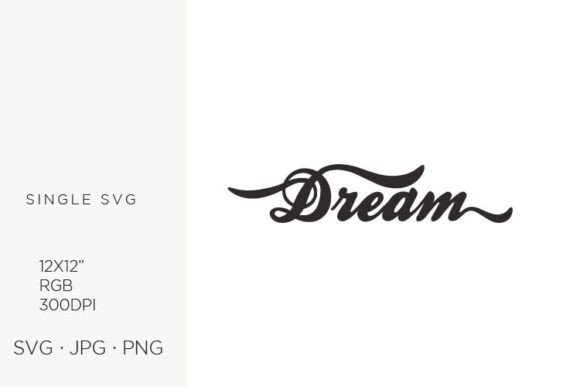
Unlike generic clipart found on free repositories, assets labeled under this niche are typically crafted with precision in professional software such as Adobe Illustrator. The standard delivery format often includes SVG, JPG, and PNG files, optimized for an artboard size of 12 x 12 inches at a resolution of 300 DPI in the RGB color palette. This combination ensures that the graphics are not only visually appealing but also technically robust for a wide array of media, from web interfaces to physical prints.
The Technical Advantage of Vector-Based Formats
The primary differentiator of Word Dream, Vector lies in its foundational structure. Vector graphics are defined by mathematical equations rather than pixels. This means that whether you are scaling an image down to fit on a jewelry tag or enlarging it for a wall art poster, the edges remain crisp and clean. There is no pixelation or loss of quality, which is a common issue with raster-only images when resized beyond their original dimensions.
When evaluating these resources, it is crucial to note the inclusion of multiple file formats. The SVG (Scalable Vector Graphics) file is the cornerstone for digital flexibility, allowing for easy manipulation in cutting machines like Cricut or Silhouette, as well as in web design code. The accompanying JPG and PNG files serve immediate needs for drag-and-drop applications where editing capabilities are less critical. The 300 DPI resolution of these raster versions ensures that they meet the industry standard for high-quality printing, avoiding the blurry output that plagues lower-resolution downloads.
RGB Color Palette and Its Implications
Most digital assets, including those in the Word Dream, Vector collection, utilize the RGB (Red, Green, Blue) color model. This is the standard for screens, monitors, and digital displays. For users focusing on web design, social media graphics, or digital invitations, this is ideal. However, for those intending to print professionally, it is important to understand that RGB colors may shift slightly when converted to CMYK (Cyan, Magenta, Yellow, Key/Black) for offset printing. While modern printers handle this conversion well, being aware of this distinction helps manage expectations regarding color fidelity in physical products.
Versatility Across Creative Applications
The true value of these digital elements is revealed in their application. Because the files are created in Adobe Illustrator, they offer a level of editability that pre-made flat images do not. Designers can separate layers, change colors, and adjust typography to fit specific brand guidelines. This adaptability makes them suitable for a diverse range of projects.
- Logo Design: Small businesses and startups can use these vectors as a foundation for branding. The scalability ensures the logo looks professional on both a business card and a storefront sign.
- Wall Art and Home Decor: The 12 x 12 inch artboard size is a versatile starting point. It can be tiled for larger murals or used as-is for framed prints, leveraging the high resolution for sharp details.
- Handmade Crafts and Jewelry: Crafters appreciate the precision of SVG files for laser cutting or vinyl plotting. Creating intricate earrings or detailed paper cutouts requires clean paths, which vector files provide.
- Stationery and Invitations: From wedding announcements to party decor, the aesthetic appeal of word-based vector art adds a personalized touch without the need for hiring a custom illustrator.
- Web and Graphic Design: Developers can embed SVGs directly into websites for faster loading times and sharper display on retina screens, enhancing user experience.
Comparing Vector Assets to Alternatives
When choosing between Word Dream, Vector and other digital resources, several factors come into play. Comparing these assets to standard stock photography or basic clipart reveals distinct tradeoffs.
Stock photography offers realism and emotional depth through human subjects and real-world scenes. However, it lacks the stylized, graphic quality of vector art. If the goal is to create a minimalist, modern, or typographic-focused design, photographs may feel cluttered or irrelevant. Conversely, if the project requires photorealism, vector art will not suffice.
Basic clipart, often found in older formats or low-resolution JPEGs, is generally cheaper or free but comes with significant limitations. These files are rarely editable, often have white backgrounds that are difficult to remove cleanly, and lack the scalability of true vectors. Using basic clipart for professional branding can result in a dated or amateurish appearance. In contrast, Word Dream, Vector files are designed with modern aesthetics and technical standards in mind, offering a more polished final product.
Custom illustration services provide the highest level of uniqueness but come with high costs and longer turnaround times. For entrepreneurs and hobbyists who need quality designs quickly and affordably, pre-made vector assets offer a middle ground. They provide a professional base that can be customized, saving time and money while still allowing for creative input.
Decision Factors: When to Choose This Format
Selecting the right digital asset depends on the specific requirements of your project. Word Dream, Vector is an excellent choice when:
- Scalability is required: You need one design to work across multiple sizes, from small icons to large banners.
- Editing is necessary: You plan to change colors, fonts, or layout elements to match a specific theme or brand identity.
- Cutting machines are involved: You are using devices like Cricut or Glowforge, which rely on vector paths for precise cuts.
- Print quality is paramount: You need 300 DPI files to ensure sharp, professional-looking printed materials.
However, there are scenarios where other options might be more appropriate. If you need complex photographic textures or realistic lighting effects, vector art may appear too flat. In such cases, high-resolution photography or hybrid designs that combine photos with vector overlays might be better suited. Additionally, if you lack access to vector editing software like Adobe Illustrator or Affinity Designer, you may find the SVG files less useful unless you are solely using them for cutting machines that accept SVG natively.
Best Practices for Utilization
To maximize the potential of these digital graphics, consider adopting a few best practices. Always start with the SVG file if you have access to vector software. This allows you to ungroup elements, modify individual components, and save the file in the exact format needed for your final output. If you are working primarily with raster-based programs like Photoshop, import the SVG at a high resolution to maintain quality.
For print projects, always verify the color mode. While the source files are in RGB, most professional printers prefer CMYK. Use your design software to convert the colors and check for any shifts that may affect the visual impact. For web use, optimize the SVG file size by removing unnecessary metadata, ensuring fast load times without compromising visual fidelity.
Ultimately, Word Dream, Vector assets offer a blend of artistic flair and technical utility. By understanding their strengths and limitations, creators can make informed choices that enhance their projects, whether they are designing a new logo, crafting handmade jewelry, or producing elegant stationery. The key lies in matching the tool to the task, ensuring that the final output meets both aesthetic and functional requirements.