First Communion Clipart: A Practical Guide to Digital Design Resources
Planning a First Communion celebration involves numerous creative decisions, from designing invitations to crafting personalized keepsakes. For many families and designers, finding the right visual elements is crucial to capturing the solemnity and joy of the occasion. This is where First Communion clipart becomes an essential resource. Rather than commissioning custom illustrations or searching endlessly for generic images, utilizing a curated collection of high-quality digital assets can streamline the design process significantly.
This article explores the practical applications, technical specifications, and strategic considerations of using specialized First Communion clipart collections. By understanding what these resources offer, you can determine whether they align with your specific project requirements, whether you are a professional designer or a DIY enthusiast.
Understanding the Value of Specialized Clipart
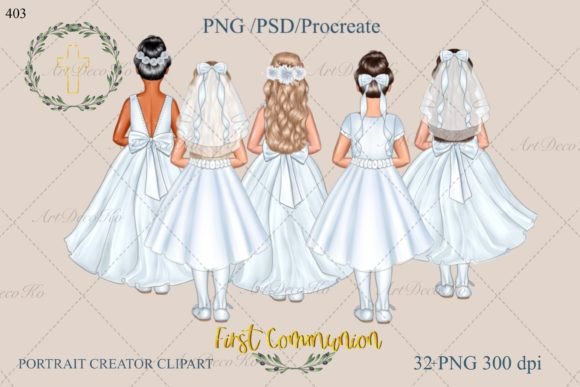
First Communion is a significant religious milestone, and the visual language associated with it is distinct. Traditional symbols include chalices, hosts, crosses, doves, and floral arrangements in soft, reverent color palettes. Generic stock photography often fails to capture the specific aesthetic needed for cohesive design projects. Specialized clipart bridges this gap by providing pre-designed, thematically consistent graphics that are ready for integration into various media.
The primary advantage of using a dedicated clipart set is consistency. When all elements share the same artistic style, color profile, and resolution, the final output looks professional and polished. This is particularly important for multi-piece projects, such as a suite of invitation cards, thank-you notes, and decorative banners.
Technical Specifications and Quality Considerations
When evaluating digital design assets, technical quality is paramount. A common pitfall for beginners is using low-resolution images that appear pixelated when printed. High-quality First Communion clipart should meet specific standards to ensure versatility across different mediums.
A robust collection typically includes files in multiple formats to accommodate various software ecosystems. For instance, a comprehensive package might offer:
- RGB PNG files with transparent backgrounds: These are the most versatile assets for digital and print use. The transparency allows you to layer images over colored backgrounds or textures without unsightly white boxes around the edges.
- High Resolution (300 DPI): Dots per inch (DPI) determine print quality. Files at 300 DPI are standard for professional printing, ensuring crisp lines and clear details even on larger formats like posters or fabric.
- Varied Object Sizes: A useful collection provides a range of dimensions. Smaller files (e.g., 500x500 pixels) are ideal for web icons or small stickers, while larger files (up to 1900x3300 pixels) allow for significant scaling without loss of quality, suitable for wall art or large banners.
- Editable Source Files: Inclusion of PSD (Photoshop) and Procreate files adds significant value for users who wish to customize colors, add text layers, or modify individual elements within the illustration.
These technical features ensure that the clipart is not just a static image but a flexible design component. Whether you are creating a small gift tag or a large backdrop for a party, having access to high-resolution, editable files provides the necessary freedom to adapt the artwork to your needs.
Software Compatibility and Workflow Integration
One of the critical factors in selecting digital assets is compatibility with your preferred design tools. A well-curated First Communion graphic set should work seamlessly with industry-standard software. This includes Adobe Creative Cloud applications such as Photoshop, Illustrator, InDesign, and XD, as well as Affinity Designer, Affinity Photo, Sketch, and After Effects.
For users who prefer tablet-based design, compatibility with Procreate is increasingly important. The inclusion of native Procreate files allows artists to leverage the app’s brush engines and layer styles directly, offering a more intuitive workflow for digital illustrators. Similarly, PSD files remain the gold standard for raster editing, allowing users with Adobe Photoshop Elements or full Photoshop suites to manipulate layers extensively.
If you are using vector-based software like Adobe Illustrator or Affinity Designer, note that PNGs are raster images. While they can be imported, they cannot be scaled infinitely like vectors. However, at 300 DPI and large dimensions, high-quality PNGs are sufficient for most print and web applications. Always verify the file types included in the package to ensure they match your technical capabilities.
Practical Applications and Use Cases
The versatility of high-quality clipart extends far beyond simple digital decorations. Here are several scenarios where these assets prove particularly effective:
- Printable Invitations and Stationery: Create custom invitations, RSVP cards, and thank-you notes. The transparent PNGs allow for easy placement over textured paper backgrounds or elegant solid colors.
- Scrapbooking and Paper Crafts: For physical crafts, printable clipart can be cut out and used in scrapbooks, memory albums, or handmade cards. The high resolution ensures that printed details remain sharp.
- Web Design and Blogs: Religious education blogs, church websites, or family memorial pages can use these graphics to enhance visual appeal without violating copyright issues associated with random internet images.
- Fabric and Wall Art: With the right printing services, these designs can be transferred onto fabrics for tablecloths, banners, or even clothing. Large-format prints can serve as decorative wall art for the event venue or the child’s room.
- Gift Wrapping and Decorations: Design custom gift tags, cupcake toppers, and party favors. The ability to resize objects from 500x500 to larger dimensions makes it easy to adapt one design for multiple small items.
Evaluating Fit: When to Choose Clipart vs. Alternatives
While First Communion clipart offers convenience and cost-effectiveness, it is not always the optimal solution for every project. Understanding the tradeoffs helps in making an informed decision.
Choose clipart if:
- You need a quick turnaround time for your designs.
- You have a limited budget compared to hiring a professional illustrator.
- You possess basic design skills and access to compatible software.
- You require a consistent visual theme across multiple items.
Consider alternatives if:
- You require completely unique, one-of-a-kind artwork that no one else will use.
- Your project demands specific vector scalability for massive signage (though large PNGs often suffice).
- You lack the software or technical knowledge to edit and prepare files for print.
For most families and small-scale designers, the balance of quality, price, and flexibility offered by a premium clipart collection is ideal. It removes the barrier of entry for creating professional-looking materials while allowing enough customization to feel personal.
Making the Final Decision
Selecting the right First Communion design resources involves assessing your technical comfort level, project scope, and aesthetic preferences. Look for collections that offer transparency, high resolution, and multiple file formats to maximize utility. By choosing a versatile set that includes both ready-to-use PNGs and editable source files, you equip yourself with the tools needed to create meaningful, beautiful commemorations of this special day. Whether for digital sharing or tangible keepsakes, the right clipart serves as a foundational element in telling the story of the celebration.