Unlocking Creative Potential with Hearts and Computer Clipart
In the rapidly evolving landscape of digital design, the fusion of organic emotion and technological precision has created a unique niche for visual assets. Hearts and Computer themed clipart represents more than just a juxtaposition of symbols; it embodies the intersection of human connection and digital innovation. Whether you are a graphic designer working on a tech startup’s branding or a hobbyist creating handmade greeting cards, understanding the technical specifications and creative applications of these vector-based elements is crucial for producing high-quality results.
The Technical Foundation: Why Vector Matters
When sourcing digital graphics, the file format is often the most overlooked yet critical component of your workflow. The assets discussed here are crafted in Adobe Illustrator, a industry-standard vector program. This origin story is vital because it dictates the scalability and versatility of the final product. Unlike raster images, which are made of pixels and can become blurry when enlarged, vector graphics are based on mathematical paths. This means your Hearts and Computer designs will remain crisp and clear whether they are printed on a small business card or blown up for a large wall art installation.
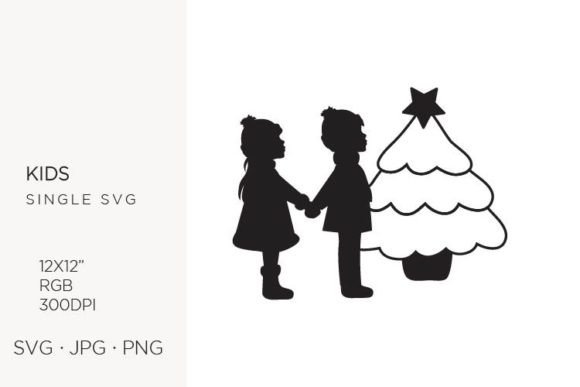
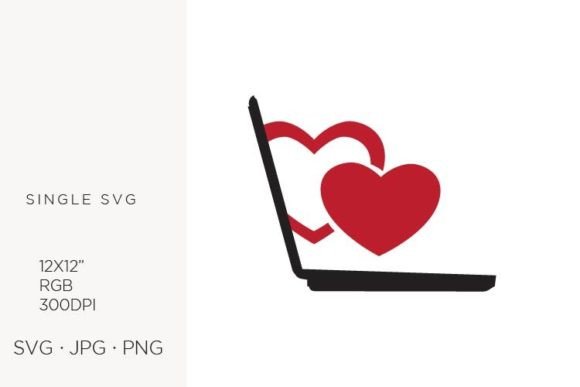
The standard artboard size for these files is 12 x 12 inches at a resolution of 300 DPI (dots per inch). This specific configuration is the gold standard for print quality. While screen displays typically operate at 72 DPI, printing requires a much higher density of dots to ensure smooth edges and vibrant color transitions. By maintaining a 300 DPI resolution within the RGB color palette, these files bridge the gap between digital viewing and physical production. However, designers must be mindful that while RGB is ideal for screens, converting to CMYK may be necessary for certain professional printing processes to ensure color accuracy.
File Formats and Their Specific Uses
Versatility is key in modern design workflows, which is why these graphics are provided in three distinct formats: SVG, JPG, and PNG. Each serves a unique purpose in your creative toolkit.
- SVG (Scalable Vector Graphics): This is the premier format for web design and scalable applications. Because it retains the vector data from Adobe Illustrator, you can resize an SVG infinitely without losing quality. It is perfect for logos, icons, and responsive web elements where load time and clarity are paramount.
- PNG (Portable Network Graphics): PNG files support transparency, making them indispensable for layering. If you want to place a heart-computer icon over a textured background for an invitation or a website banner, the PNG format ensures there is no white box surrounding your image. It maintains high quality and is widely supported across digital platforms.
- JPG (Joint Photographic Experts Group): While it does not support transparency, JPG is highly compressed and universally compatible. It is ideal for quick previews, social media posts, or situations where file size needs to be minimized without a significant loss in visual fidelity for photographic contexts.
Bridging Emotion and Technology in Design
The thematic combination of hearts and computers speaks to a modern narrative. We live in an era where relationships are cultivated online, businesses are run through cloud servers, and love letters are often sent via email. Using Hearts and Computer imagery allows creators to tap into this cultural zeitgeist. It softens the cold, mechanical perception of technology by infusing it with warmth and humanity. This duality makes these graphics particularly effective for industries that rely on trust and personal connection, such as telehealth services, online dating platforms, educational tech tools, and remote work consultancy firms.
For instance, a logo design for a virtual counseling service might feature a stylized computer monitor with a heart-shaped cursor or a circuit board pattern forming a heart. This visual metaphor instantly communicates "care through technology," establishing an emotional connection with potential clients before they even read the company name.
Practical Applications Across Industries
The utility of these digital graphics extends far beyond simple web banners. Because the files are rooted in vector architecture, they can be adapted for a myriad of physical and digital products. Here is how different creators can leverage these assets:
- Stationery and Invitations: For weddings, anniversaries, or tech-themed parties, these elements can be incorporated into custom invitations. The 12x12 artboard size is perfect for square card designs. You can layer the SVG elements in design software to create intricate patterns that look professionally printed.
- Handmade Craft Items: Crafters using cutting machines like Cricut or Silhouette can import the SVG files directly. This allows for precise cutting of vinyl decals for laptops, water bottles, or tote bags. The clean lines of vector art ensure that the cutting machine follows the path accurately, resulting in professional-looking handmade goods.
- Wall Art and Home Decor: With a 300 DPI resolution, these images can be printed on canvas, metal, or high-quality paper for home or office decor. A minimalist black-and-white version of a heart-computer icon can serve as striking modern art for a home office, symbolizing the balance between work and passion.
- Jewelry and Accessories: Small-scale applications require high detail. The vector nature of the source file allows designers to scale down the graphics for laser engraving on wood or metal jewelry, ensuring that even tiny details remain sharp and recognizable.
Integrating into Modern Workflows
Adopting these assets into your workflow requires an understanding of how to manipulate them effectively. Since the original files are made in Adobe Illustrator, users with access to this software can unlock the full potential of the design. You can ungroup elements, change individual colors, adjust stroke weights, and modify shapes to fit your specific brand guidelines. This level of customization is impossible with flat raster images alone.
For those without Adobe Illustrator, the provided PNG and JPG files offer a plug-and-play solution. However, for web designers, the SVG format is a game-changer. SVGs can be styled with CSS, allowing for interactive hover effects or animations on websites. Imagine a button that changes color or pulses when hovered over, utilizing the heart-computer icon. This interactivity enhances user experience and engagement, making your digital presence more dynamic.
It is also important to consider color theory when using these graphics. The RGB color palette offers a wide gamut of vibrant colors suitable for screens. When designing for digital-first brands, leveraging bright, neon, or pastel shades can make the Hearts and Computer motifs pop against dark mode backgrounds, a popular trend in modern app and web design.
Considerations for Quality and Usage
While these files are designed for versatility, users should always check the licensing terms associated with digital downloads. Most commercial-use licenses allow for the creation of end-products like shirts, mugs, and invitations, but may restrict the resale of the digital file itself. Always read the specific terms provided by the creator.
Furthermore, when preparing files for print, remember that RGB colors may appear differently on paper than on your screen. It is advisable to do a test print on the specific material you intend to use. For example, ink absorption on matte paper will differ from glossy photo paper. Adjusting brightness and contrast in your editing software before final production can help mitigate these discrepancies.
In conclusion, Hearts and Computer clipart is not just a decorative element; it is a functional design tool that bridges the gap between emotional storytelling and technical execution. By leveraging the power of vector graphics, understanding the nuances of file formats, and applying these assets creatively across various mediums, designers and creators can produce work that is both visually stunning and deeply resonant with contemporary audiences. Whether you are crafting a single handmade card or developing a comprehensive brand identity, these digital elements provide the flexibility and quality needed to bring your vision to life.