Mastering Lemon Clipart, Fruit Clipart, and Citrus Design Elements for Professional Results
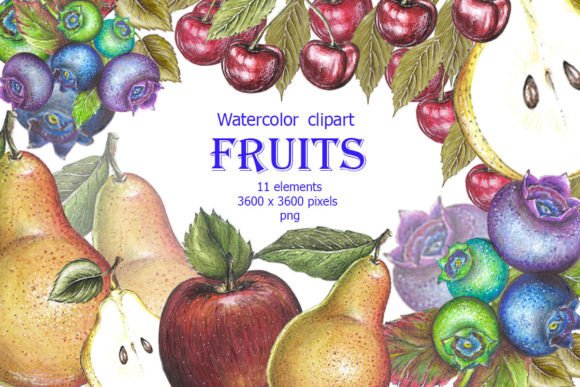
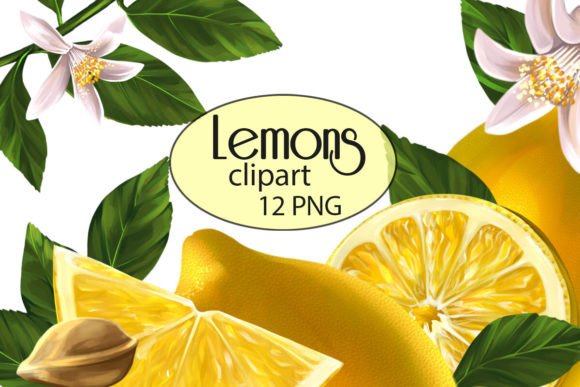
Visual storytelling relies heavily on the quality of your assets. When you are designing for weddings, branding, or digital content, the difference between an amateur look and a polished professional finish often comes down to resolution and detail. This is where a curated collection of Lemon Clipart, Fruit Clipart, and Citrus elements becomes indispensable. Whether you are creating wedding invitations, greeting cards, or social media graphics, having access to high-resolution branches, leaves, lemon slices, seeds, and flowers allows for immense creative flexibility. However, many creators overlook critical technical details when selecting these digital assets, leading to frustrating outcomes during the printing or publishing phase.
The Resolution Trap: Why 300 DPI Matters
One of the most common mistakes beginners make is assuming that any image labeled "clipart" is suitable for print. This is a dangerous misconception. If you download low-resolution files, your final product will appear pixelated and blurry, especially on larger formats like posters or fabric prints. A professional-grade set should offer files at approximately 3000 x 3000 pixels with a density of 300 DPI (dots per inch). This specific standard ensures that when you scale your design for a wedding invitation or a physical scrapbook page, the edges of the lemon leaves and the texture of the fruit remain crisp and clear.
Many free resources provide images at 72 DPI, which is only suitable for screen viewing. Using these for physical products results in a muddy, unprofessional appearance. By choosing a pack that explicitly states it includes high-resolution PNG files, you future-proof your designs. You can use the same asset for a small blog header and a large banner without losing quality. Always check the file specifications before purchasing. If the seller does not list the pixel dimensions or DPI, it is likely not suitable for professional print work.
Understanding File Formats and Transparency
Another frequent oversight involves file formats. For versatile design work, you need images with transparent backgrounds. JPEG files, for instance, always have a white or solid background, which limits how you can layer elements. In contrast, PNG files support transparency, allowing you to place a lemon slice over a photo, a patterned paper, or a colored background seamlessly. This is crucial for decoupage, papercraft creations, and photo overlays.
When evaluating a citrus clipart set, ensure that each element—whether it is a single seed, a full branch, or a delicate flower—is saved as a separate image. Bundled files where all elements are on one canvas require extra time to cut out and isolate, reducing your efficiency. A well-organized pack provides individual files for each component. This separation allows you to build custom compositions, such as arranging lemon flowers around a quote or creating a border with alternating leaves and slices. The ability to manipulate individual elements significantly enhances your creative control and speeds up your workflow.
Color Accuracy and RGB vs. CMYK
Digital design operates in the RGB color space, while professional printing often uses CMYK. Most digital clipart packs, including this high-quality citrus set, are provided in RGB PNG format. This is ideal for blogs, web design, social media posts, and digital invitations. However, if you are sending files to a professional printer for physical items like wedding stationery, be aware that colors may shift slightly during conversion. Bright yellows and greens in RGB can sometimes appear duller in CMYK.
To avoid disappointment, it is wise to order a proof print if you are producing high-volume physical goods. For most DIY projects, home printers, and online print-on-demand services, RGB files work perfectly fine. The key is to understand your end goal. If you are designing for screens, RGB is the correct choice. If you are printing at home, ensure your printer settings are optimized for photo quality to capture the vibrant hues of the lemons and leaves. Understanding this distinction prevents the common frustration of "why does my print look different from my screen?"
Versatility Beyond Basic Graphics
Many users limit their use of fruit clipart to simple illustrations, missing out on broader applications. A comprehensive set of citrus elements can elevate various projects. For entrepreneurs and small business owners, these graphics can serve as logo components or brand accents for organic products, spas, or cafes. The fresh, clean aesthetic of lemons conveys purity and vitality, making them perfect for health and wellness brands.
For educators and bloggers, these elements can break up text, highlight quotes, or create engaging headers. In the realm of fashion and textile design, seamless patterns created from lemon slices and leaves can be printed on fabric for summer clothing or home decor items like napkins and curtains. The high resolution of 10x10 inches at 300 DPI ensures that these patterns remain sharp even when repeated across large surfaces. Additionally, scrapbookers and cardmakers can use the individual flowers and seeds for intricate decoupage projects, adding depth and texture to their handmade creations.
The Value of Instant Digital Downloads
In today’s fast-paced creative environment, waiting for physical shipments is inefficient. A digital download model offers immediate access to your tools. With an instant download, you receive your files immediately after purchase, allowing you to start working right away. This is particularly beneficial for freelancers and marketers working on tight deadlines. There are no shipping costs, no waiting periods, and no risk of packages getting lost in the mail.
However, convenience should not compromise quality. Ensure that the digital pack you choose is well-organized. A zip file containing 12 clearly named elements makes it easy to find exactly what you need. Look for packs that include a variety of components: whole fruits, slices, branches, leaves, and flowers. This diversity allows for more dynamic compositions. For example, combining a detailed branch with scattered seeds and a bright lemon slice creates a more natural and visually interesting arrangement than using a single static image.
Making the Right Choice for Your Projects
Before finalizing your decision, consider the scope of your intended use. Are you creating digital-only content, or do you plan to print physical items? Do you need editable vector files, or are high-resolution raster images sufficient? For most users, including hobbyists and small business owners, high-resolution PNGs offer the best balance of quality and ease of use. They are compatible with nearly all design software, from professional tools like Adobe Photoshop to user-friendly platforms like Canva.
Avoid the temptation to use copyrighted images found through general search engines. These often come with legal risks and inconsistent quality. Investing in a dedicated, licensed clipart pack ensures you have the right to use the images for both personal and commercial projects, depending on the license terms. This peace of mind is invaluable for entrepreneurs and creators who want to protect their business interests.
Ultimately, the right Lemon Clipart, Fruit Clipart, and Citrus set empowers you to create stunning visuals with minimal effort. By paying attention to resolution, file format, and versatility, you can avoid common pitfalls and produce work that stands out. Whether you are designing a wedding invitation, a blog post, or a product label, high-quality assets are the foundation of professional design. Choose wisely, check the specs, and let your creativity flourish with tools that are built to perform.